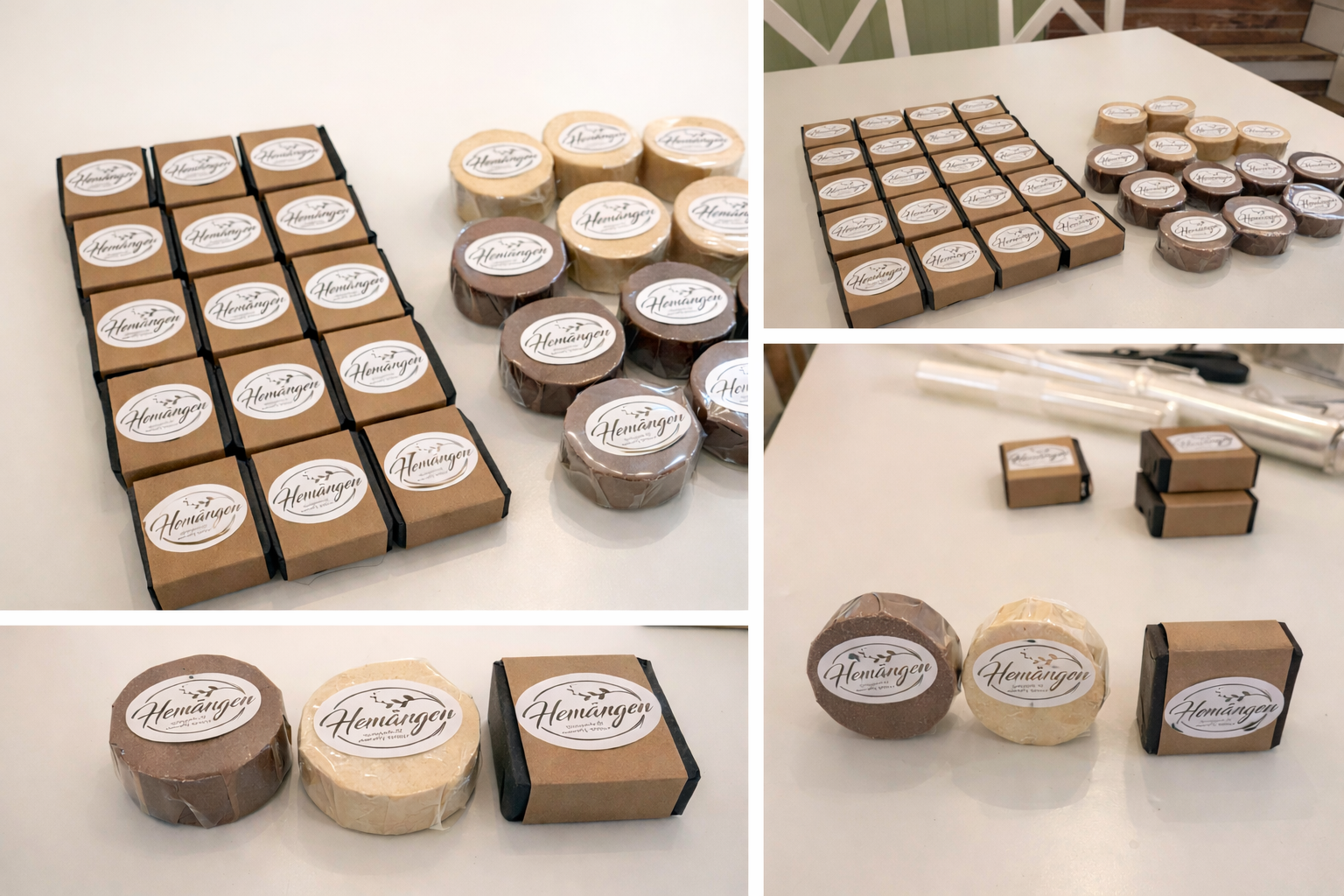

WHAT IS HANDMADE SOAP MADE OF?
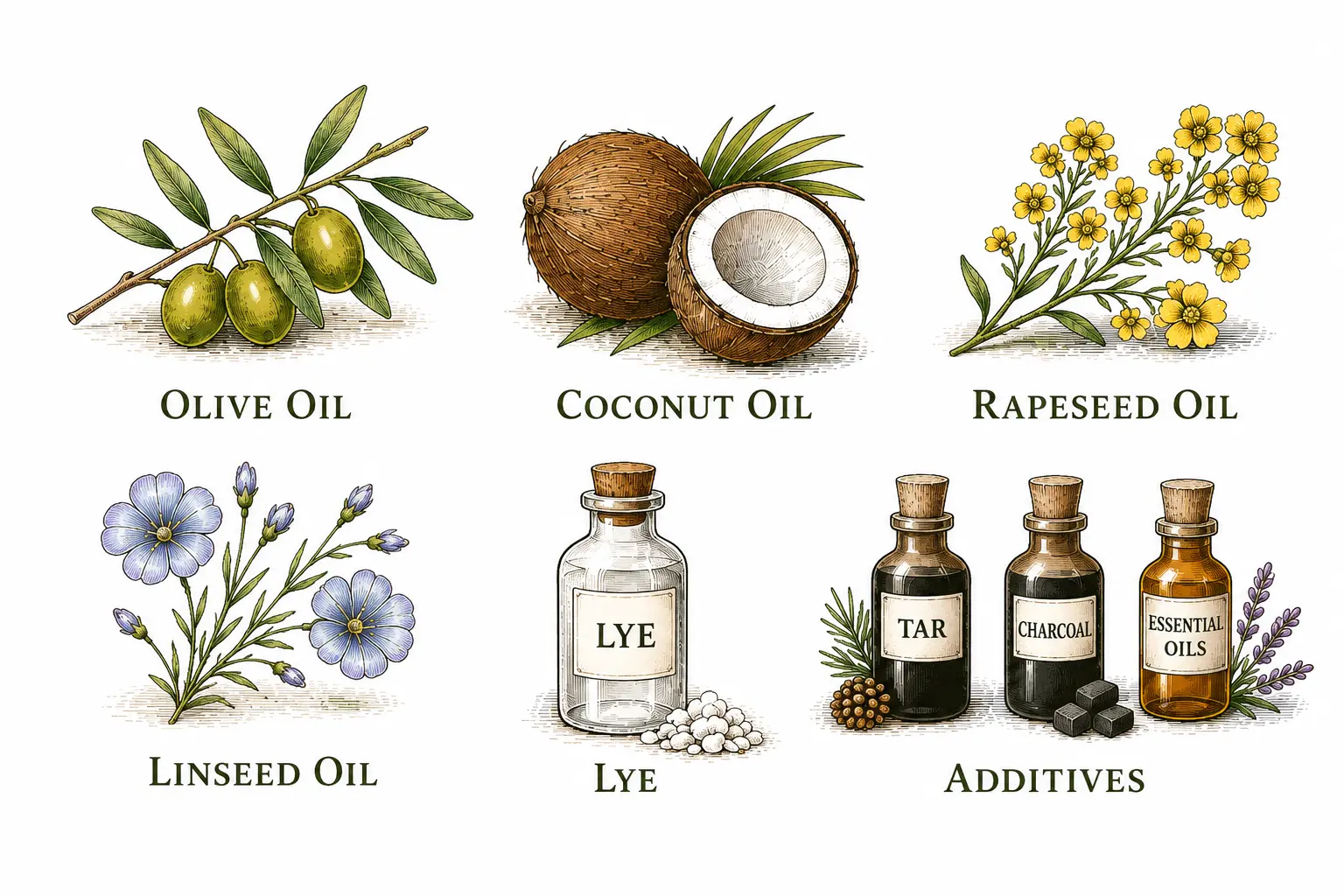
Handmade soap starts with fats or oils, water and lye. During saponification, fatty acids react with the lye and form soap. Glycerin is formed at the same time and naturally remains in the finished bar.
Influence hardness, lather and feel.
Used in the lye solution and gradually reduced during curing.
Required to create soap, but in a correctly formulated finished soap it should have reacted.
Tar, salt, honey, charcoal or fragrance can give a soap its own character.
HOW SAPONIFICATION WORKS
Saponification is the chemical reaction in which fats and lye are transformed into soap and glycerin. It is the foundation of traditional soapmaking.
Oils and lye are weighed accurately
The ingredients are weighed according to the recipe to achieve the intended balance in the finished soap.
Saponification begins
When the oils and lye are mixed, the reaction that forms soap and glycerin begins.
The soap is left to cure
During curing, water evaporates and the bar becomes harder and more durable in use.
WHAT DO THE INGREDIENTS DO?
Different fats and oils affect soap in different ways. Recipes are therefore formulated according to the type of soap you want to make.
Often used as a base in mild, pleasant soaps.
Contributes hardness and abundant lather.
Familiar northern vegetable oils that can be used in balanced recipes.
Often used in smaller amounts to support a fuller lather.
Can add body and firmness to a formulation.
TAR, CHARCOAL, SALT & HONEY
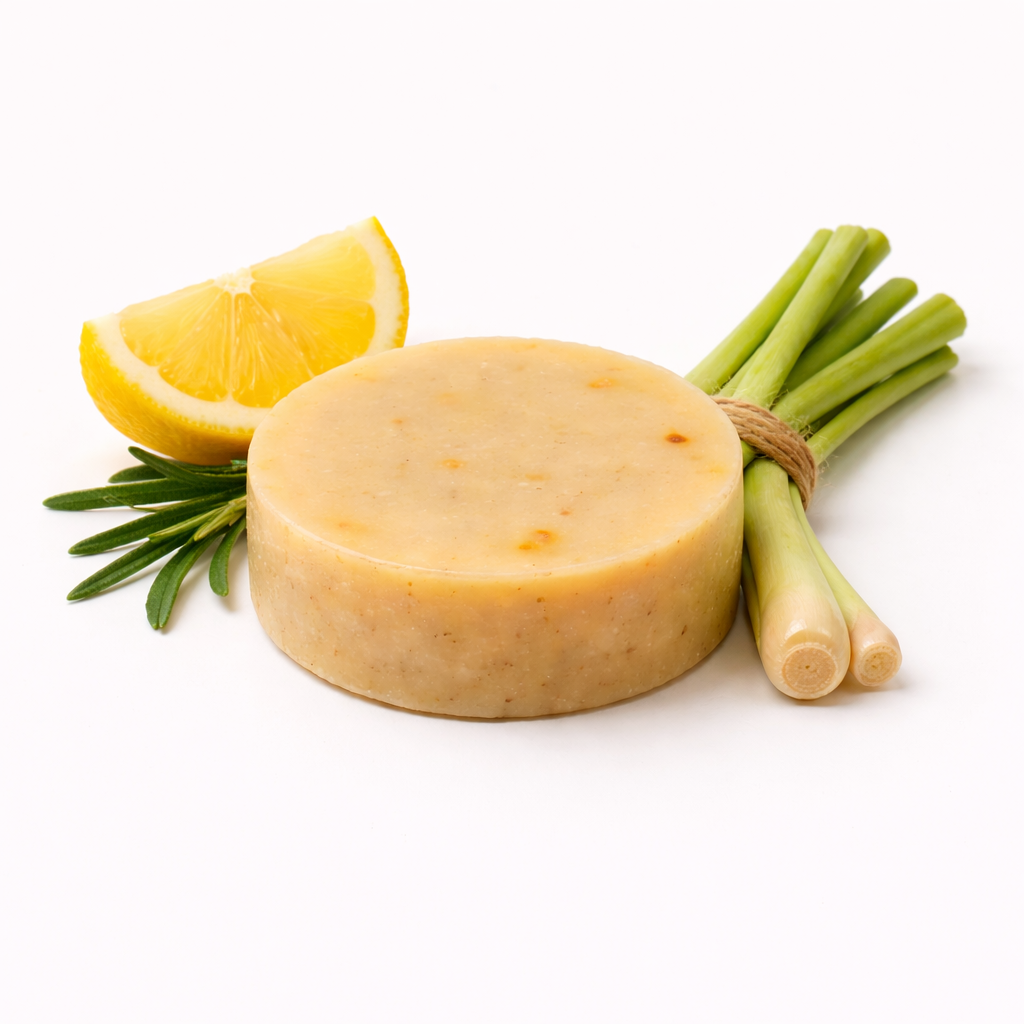
Some soaps get their distinctive character from traditional or functional additions. They do not make the soap a treatment or a medicinal product, but they can affect scent, colour, feel and the overall experience of using the soap.
Gives a distinct Nordic scent and character.
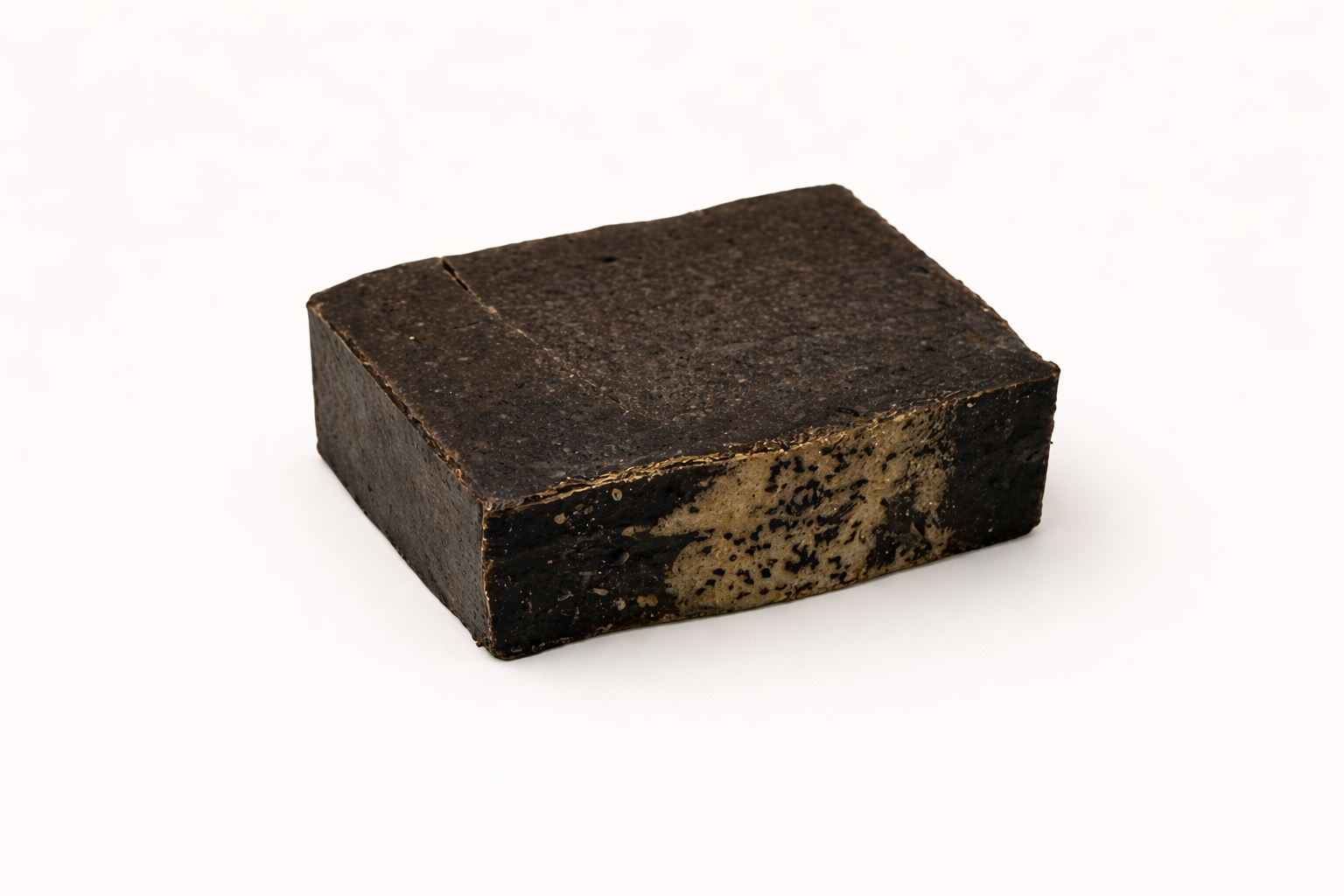
Darkens the bar and is often used in work and cleansing soaps.
Can create a firm bar with a distinctive feel in use.
Used in small amounts in some recipes and affects both colour and the making process.
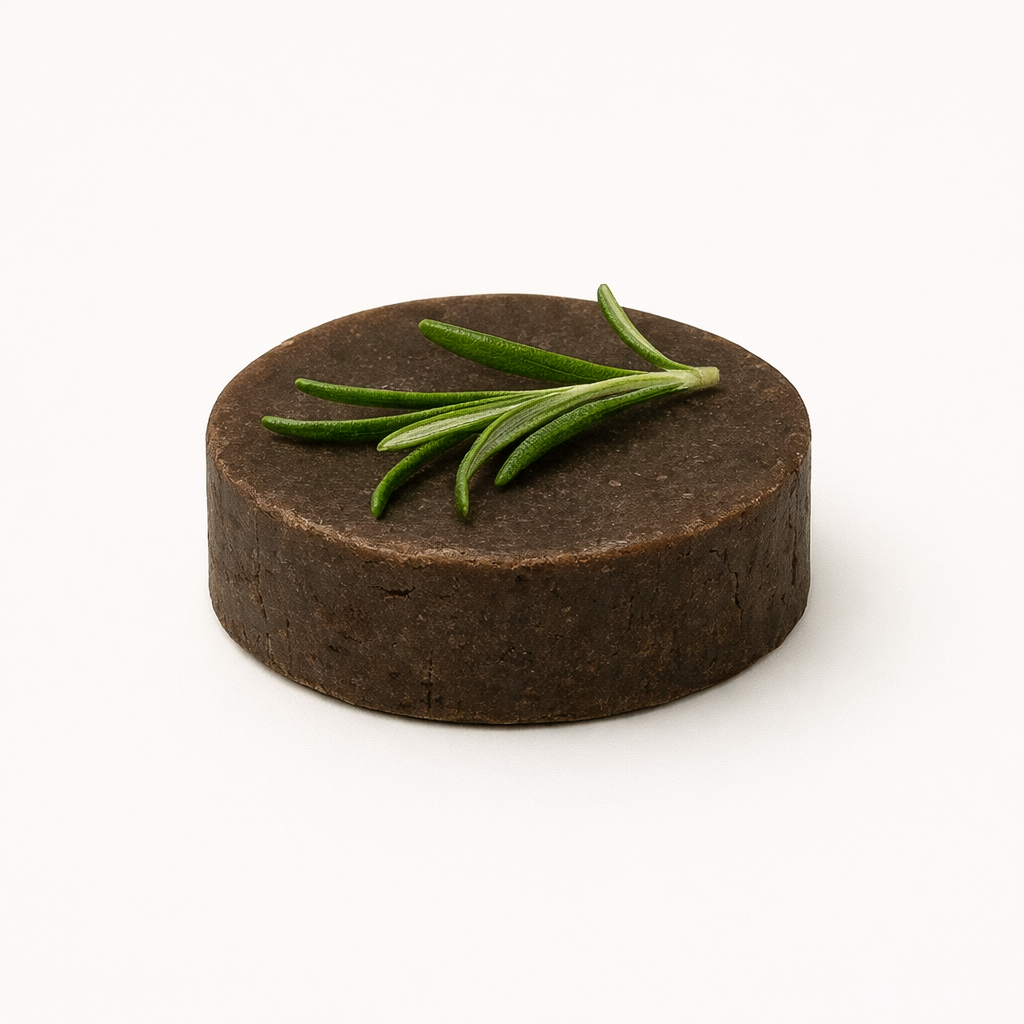
SOAP AND SKIN
Skin reacts differently to different products. It is therefore better to be clear about ingredients and use than to promise that a particular soap will suit everyone with sensitive skin.
FAQ
Is there lye left in finished soap?
In a correctly formulated, finished soap the reactive lye should have been consumed by saponification.
Why does soap need to cure?
Curing makes the bar harder and more durable as water evaporates and the soap stabilises.
Is every solid cleansing bar soap?
No. Traditional soap is made through saponification, while syndet bars are based on other surfactants.
How should I store soap?
Keep it dry and well ventilated between uses.